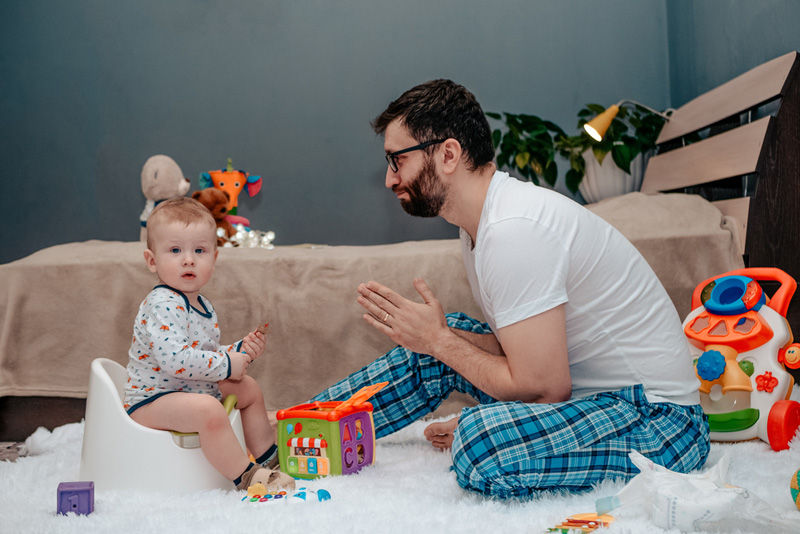
It’s not that difficult to make sure your toddler is taking part in the potty training process. Be sure you keep experimenting with different strategies until you find one that seems to work for your son or daughter. Be sure to take plenty of breaks, and remember to give your child lots of potty breaks throughout the day. To ensure the trainees don’t feel anxious or overwhelmed, they ought to be given frequent breaks. This will help give each person a chance to visit the bathroom privately and go on breaks without feeling deprived or stressed out.
Table of Contents
Stay positive:
Even if you have tried everything you can think of to encourage your toddler to potty train, in the end, there are a few tricks you can use to help to stay positive. First and foremost, just remember to only set achievable, realistic expectations. Don’t count on him to suddenly understand potty training, or you will likely become discouraged.
Next, be sure you’re both on the same page about what potty training should look like. Remain positive, be consistent with your potty-training techniques, and avoid punishments or bribes for best results. Finally, never throw in the towel when it comes to potty training!
Keep your expectations realistic and remain open-minded about potty training when your tot refuses to participate. First, maintain your goals realistically. Do not expect that your tot will immediately start potty training. Second, ensure that you’re both on the same page when it comes to what the process of potty training is supposed to entail.
Work through fears:
One challenge parents face when trying to toilet train their toddler is if the child is not interested in learning how to use the potty. One approach some parents take is to work through their child’s fears. Others may try bribery or coercion in an effort to get their toddler to start using the potty.
The most successful way of toilet training a toddler may vary based on their personality, age, and other factors surrounding their individual situation.
Course for potty training:
To train your toddler, continue to hold his or her course. As a mom of a son or daughter who is not motivated to use the bathroom, I was excited to learn about potty training techniques that work for children who are not eager. One technique is to have your child wear “training pants” (like Huggies Little Snugglers) all day long.
Just do it:
When you become a parent, potty training your little one may become a challenge for a lot of parents. When your little one is not eager to use the potty, try out some different tactics. One is to start by doing the small steps. Once your little one is reluctant to use the bathroom, take him or her around the block or simply around the neighborhood.
Potty training device:
Potty training toddlers are able to learn most effectively through hands-on practical experience. For this reason, they frequently opt to teach toddlers how to use the bathroom with their own observations. The Potty Train Watch is an electronic device that helps parents do so by having them watch someone else use the potty. It has software that diagnoses when a child is in the bathroom and plays a song each time you recognize such activity.
Step-by-step:
If you have a child who does not want to attend potty training classes, there are other steps you can take to assist this child. First, be patient with your child. It may take a while for them to take the idea. Next, maintain a positive outlook throughout your effort and make it an entertaining task for your child. Then, set realistic goals for your toddler and work toward them. From here, stay consistent with your teaching techniques. Finally, show consistency when teaching your toddler.
You Can Read More About Best Basal Thermometers to Track Your Ovulation
